Some roof problems are visible before water reaches the interior. Check from the ground or a safely accessible indoor area, and never climb onto the roof for a closer look.
The condition, location, and weather all matter. Use this as a starting point, not a diagnosis.
Active water or a fresh ceiling stainMove belongings away from the area and arrange an inspection promptly.
Prompt inspection
Sagging or a visible roofline dipStay off the roof and have the structure evaluated.
Prompt inspection
Missing shingles or open flashingSchedule an inspection before the next period of rain.
Schedule soon
Bald shingle patches or moss lifting the edgesArrange an inspection to check the extent of the damage.
Schedule soon
Light granule shedding, dark streaks, or a hotter upper floorNote when the change started. If it persists, discuss it at your next inspection.
Monitor
01
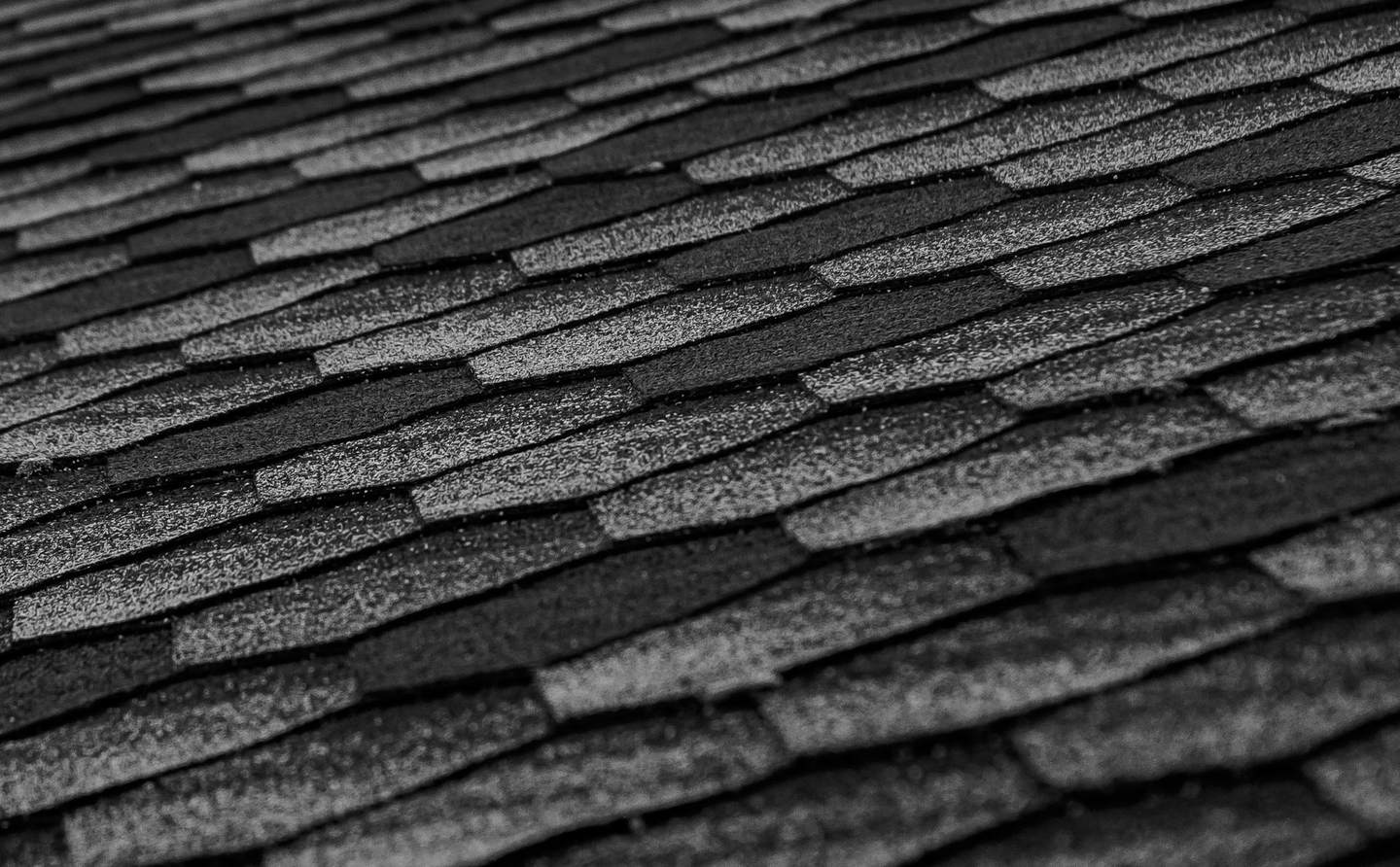
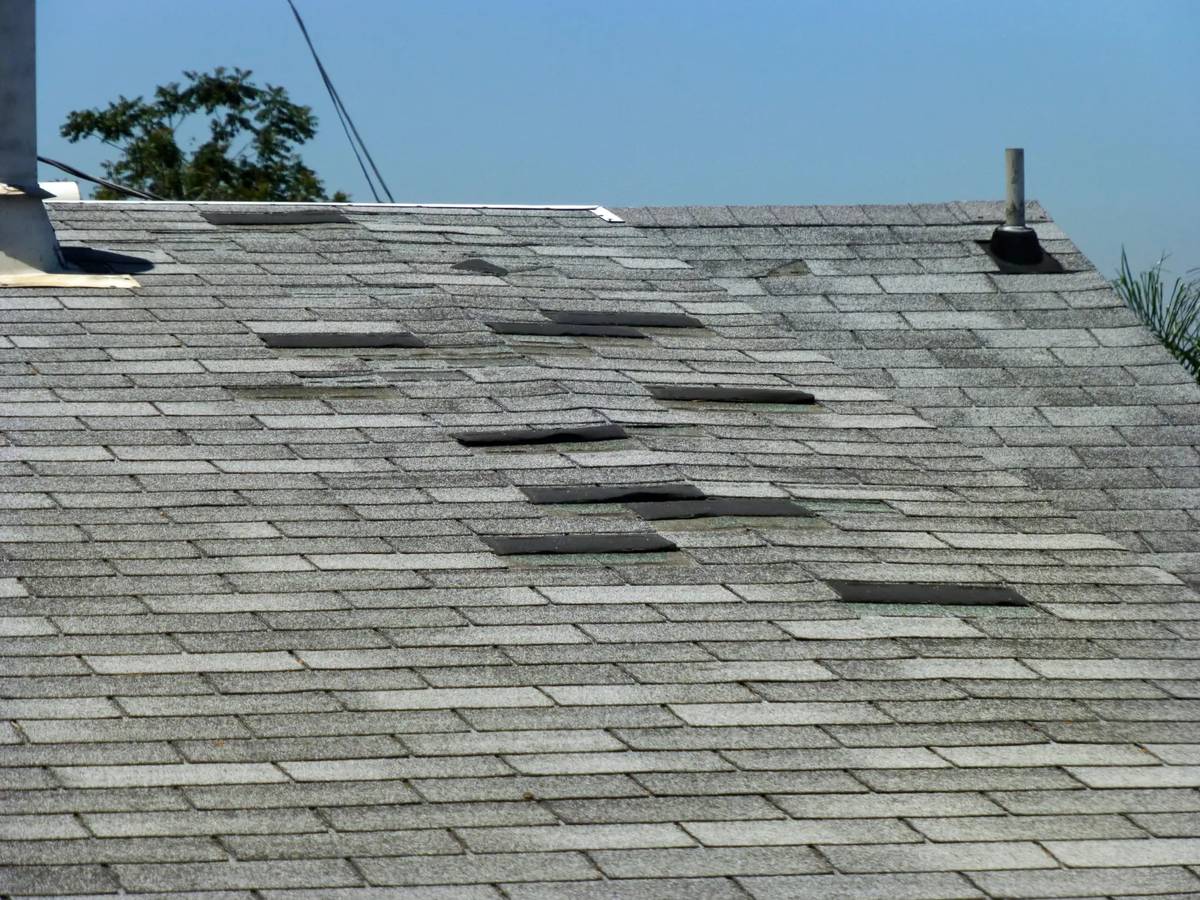
Curled, cracked, or missing shingles
From the street, look for edges that turn upward, corners that lift, cracks, or empty areas. Missing or broken shingles leave the underlayment more exposed to wind and rain.
South- and west-facing slopes often receive more sun. If one slope looks noticeably more worn than the others, point it out during the inspection.
What to do: a few damaged shingles may be repairable. Widespread curling or cracking calls for an inspection of the whole slope.
02
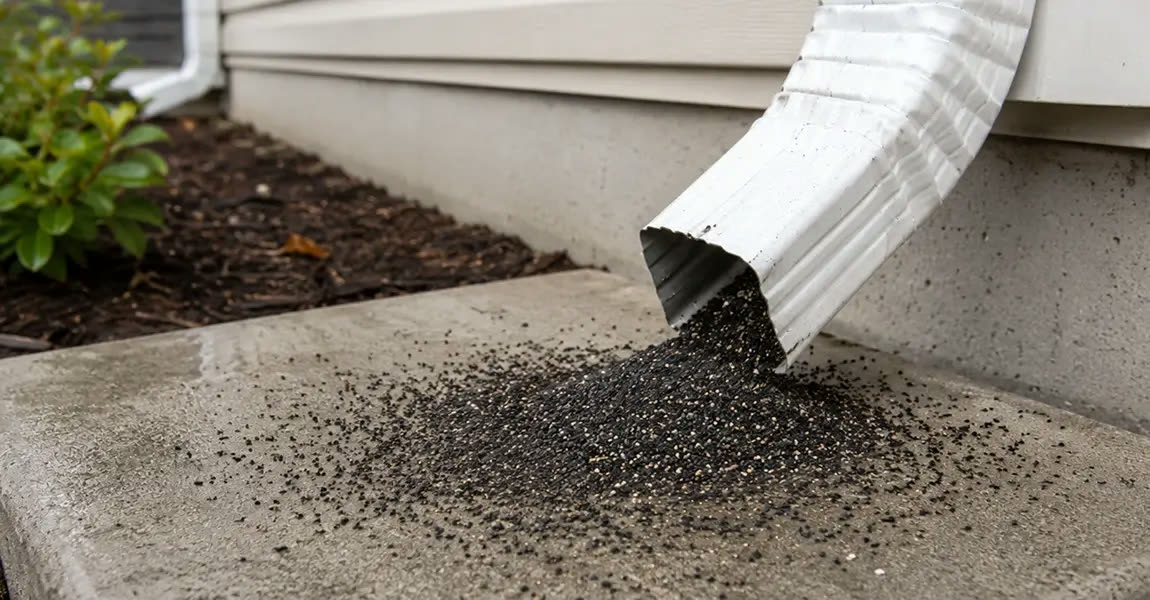
Granules collecting in gutters or at downspouts
Granules below a downspout after rain.
Asphalt shingles shed some mineral granules, especially when new. A change in the amount matters more than a small one-time deposit.
Look for repeated buildup, visible bald areas, or exposed dark asphalt. Those conditions can indicate that the shingle surface is wearing down.
What to do: photograph repeated buildup at a downspout outlet from the ground, and ask the inspector to compare it with the shingle surface.
Shingle condition
Age helps with context. Condition decides the work.
Newer roof
Flat, sealed edges
Document the installation date and keep gutters and drainage paths clear.
Early wear
Fading or light shedding
Watch for a trend rather than treating one small deposit as a failure.
Advanced wear
Curling, bald areas, or cracks
Have the slope inspected and ask whether a limited repair is reasonable.
Widespread wear
Brittle or repeatedly failing areas
Compare the cost and limits of repair with a written replacement scope.
03
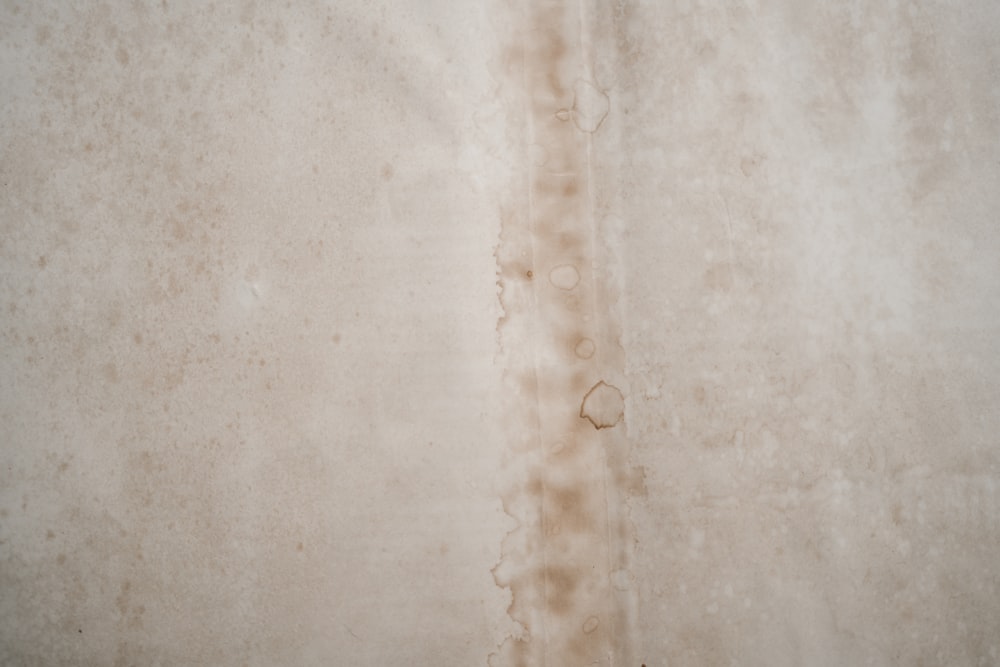
Water stains on ceilings or in the attic
A ceiling stain may appear away from the point where water entered the roof.
A brown ring, damp drywall, or bubbling paint needs checking. The source may be a roof leak, plumbing leak, or condensation. In a safely accessible attic, stained sheathing, wet insulation, or rusty nail tips can also indicate moisture.
If water is near a light fixture, outlet, or wiring, keep clear of the area and contact a qualified electrician or emergency service.
What to do: photograph the stain, note when it appeared and whether it changes with rain, and arrange an inspection promptly. Do not climb onto a wet roof.
04
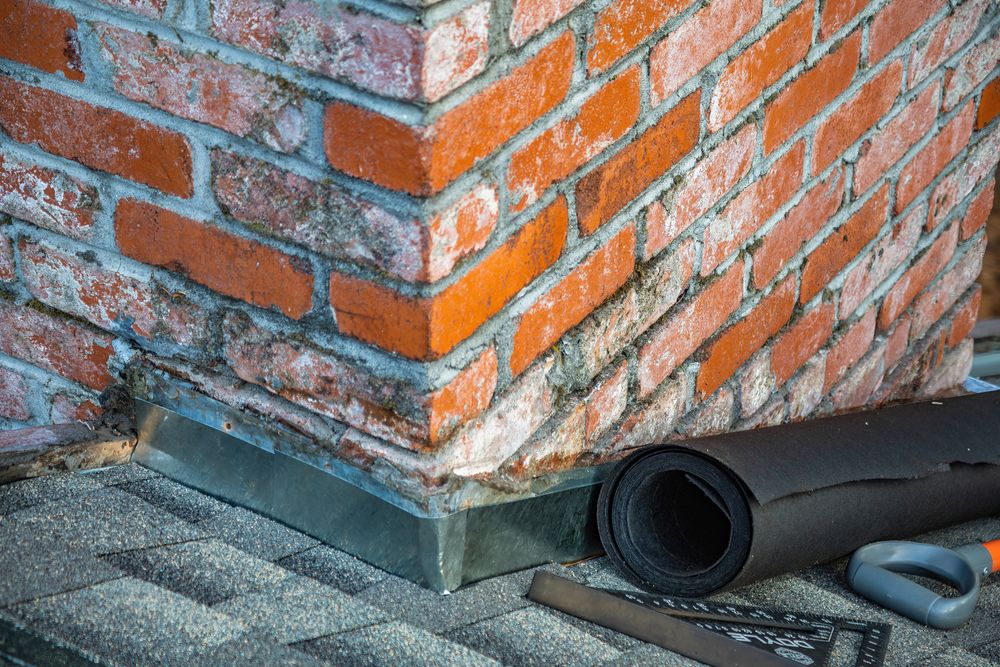
Flashing that is lifted, rusted, or heavily patched
Metal flashing directs water around a chimney and other roof openings.
Flashing directs water around chimneys, skylights, vents, and wall joints, and along roof valleys. Lifted edges, corrosion, open seams, or cracked sealant can admit water even when the nearby shingles still look serviceable.
A thick patch of roofing cement may be an earlier temporary repair. The joint beneath it should be checked rather than judged from the patch alone.
What to do: ask the inspector to check every roof penetration and transition, not only the area where a stain appeared.
05
A sagging or wavy roofline
An uneven field can point to movement or damage below the shingles.
Viewed from the street, the ridge and roof planes should appear generally straight. A visible dip or wave can be related to softened decking, framing, settlement, or earlier construction.
The cause cannot be confirmed from the ground, and additional shingle layers can hide the deck condition.
What to do: stay off the roof and arrange a prompt professional evaluation.
06
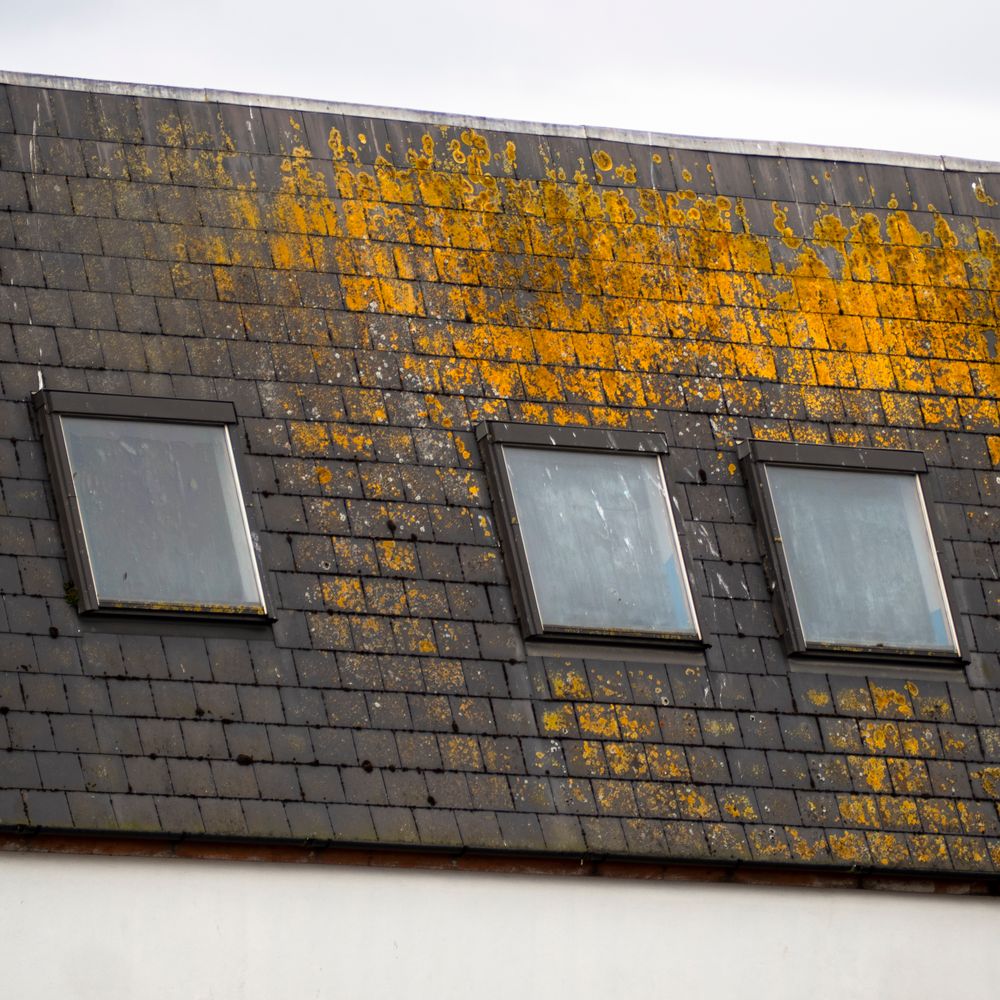
Moss, algae, or dark streaks
Shaded roof areas often stay damp longer after rain.
Dark streaks are often algae and may be mostly cosmetic. Moss holds moisture and can lift shingle edges as it grows, especially on shaded or north-facing slopes.
Do not pressure-wash asphalt shingles. High pressure can remove granules and force water beneath the shingle edges.
What to do: consult the roofing manufacturer or a qualified cleaning specialist about a material-safe method, and have lifted or damaged shingles inspected by a roofer.
07
An unusually hot upper floor or attic
A hot upper floor is not proof that the roof covering has failed. Attic ventilation, insulation, ductwork, air sealing, and the roofing assembly can all affect indoor temperature.
Useful observations include a large temperature difference between floors, blocked vents, damp attic air in winter, or a recent change in cooling use.
What to do: ask whether safely accessible attic ventilation and moisture conditions can be checked. HVAC or insulation work may require a different qualified trade.
Next decision
Repair or replacement?
The answer should follow the inspected condition and a written scope. Age alone is not enough to decide.
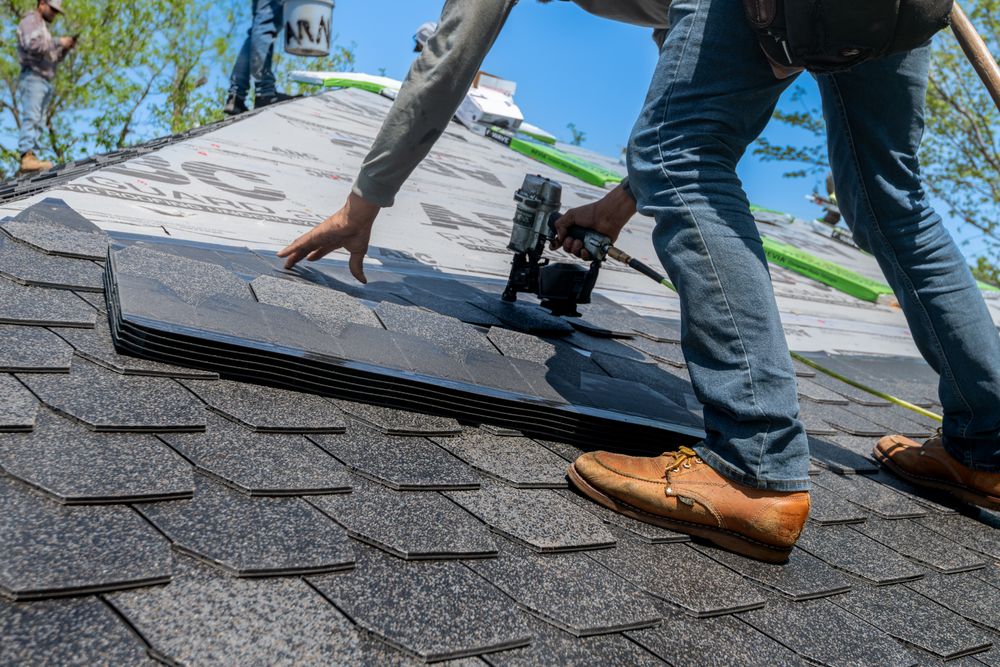
Removing the old roofing down to the deck allows damaged areas to be identified before new roofing is installed.
A repair may fit when
Damage is limited to a defined area.
The surrounding roofing remains serviceable.
The leak traces to flashing, a vent, or another specific opening.
The accessible roof deck appears sound.
Replacement may fit when
Deterioration is widespread across one or more slopes.
Leaks continue to appear in different locations.
The roof has multiple layers or broad brittle areas.
Deck or framing repairs require wider removal.
Ask the written quote to identify the observed condition, the areas included, materials, flashing, deck repairs or allowances, permit responsibility, cleanup, and applicable warranties.
In our San Jose shingle replacement, we removed the old roofing and repaired damaged decking before installing new underlayment and shingles. For more on how the scope is decided, see our repair or replacement FAQ.